










In the constantly changing land of search engines, being good really means just understanding what really matters to Google. At this moment, few ideas are more important than Google E-E-A-T. For anyone who has ever wondered why certain content rises straight to the top of the search results and the rest seems to be buried, the answer usually has to do with how effectively it shows Experience, Expertise, Authoritativeness, and Trustworthiness.
This ultimate guide will demystify Google E-E-A-T SEO, detailing the components in simple-to-understand language and teaching you how to incorporate them into your content strategy for long-term success.
It’s no mystery that Google’s objective is to serve users the most accurate and highest-quality information it can. To accomplish that goal, they continue tweaking their EEAT algorithms to surface the best content. This is where E-A-T in SEO comes in. It’s not just a buzzword: It’s a deep change in the way Google assess web pages, and it forces content creators to value and defend real value and credibility instead of surface-level tricks for optimization.
Knowing and adhering to Google E-E-A-T and E-E-A-T SEO isn’t just about “checking a box,” it’s about creating a long-term digital foundation that resonates with both people and search engines.
What is Google E-E-A-T?
Search Engine Land dissected Google E-E-A-T, describing it as a set of guidelines that Google’s human quality raters follow to determine “the overall reputation and quality of a website.” Though it is not an actual ranking factor in the way we traditionally think of it, it greatly affects Google’s EEAT algorithms and compels them to push content that displays those four essential things. Think of it as Google’s attempt to confirm that your content is a reputable source of information.
The change from E-A-T (Expertise, Authoritativeness, Trustworthiness) to E-E-A-T occurred in December 2022, when “Experience” was added. Although subtle, this was a significant shift in Google’s focus toward firsthand knowledge and participation in the subject material. It’s a loud sign that realism, with the conditions of real life, matters more than ever.
For content creators hoping to notch up their visibility even higher, the basic understanding of E-E-A-T SEO is not just optional; it has become a business strategy. The aim is to create content that not only resolves the question of the user but also gives confidence in its quality and authority.
A Detailed Look at Each E-E-A-T SEO Component
To truly understand E-E-A-T better, let’s explore each part in detail, so you know what they are and how to nurture them in your content plan.
Experience is the Name of The Game
What is “Experience” for E-E-A-T for the Creator of the Content The “Experience” for E-A-T of content creation mean how real, sourced from life or personally lived experience does the content creator have of the subject they are writing / creating. Google wants proof that the person responsible for the content has actually “been there, done that.” This is useful for things like product reviews, travel guides, or personal tutorials.
How to Demonstrate Experience?
Share Personal Anecdotes and Individual Case Studies: Do more than just relay facts; share personal experiences, real-world examples, and intricate case studies about your firsthand experiences. For example, if you’re reviewing a product, share your experience using it, both the good and the bad.
- Show, Don’t Tell: Include pictures, videos and or screenshots of you engaging with the content. A travel blog post is always more interesting with photos of the place you visited rather than boring stock photos.
- Give Practical Advice: Points that could only come from experience. It could be anything from debugging information to how you use your product in a particular situation.
- Connect with E-E-A-T SEO: When your real-world credentials are on display, you naturally enhance your E-E-A-T in SEO. Google is getting better and better at this at knowing when a piece of content is advice from local life instead of commercial content and it recognizes it for what it is: life lived. This is a strong brand of distinction in a sea of sameness.
Expertise: Demonstrating Your Knowledge
“Expertise” is about the author’s knowledge or skill in some area. Experience is about having done something; expertise is about really knowing about it. That may be formal, such as academic accreditation or professional certification, or informal, through years of earnest study and practice. The expertise needed is often determined in part by the “Your Money or Your Life” (YMYL) nature of the content—information that can have an impact on someone’s health, finances, or safety requires a much higher degree of formal expertise.
How to Work With Expertise?
Show Credentials and Qualifications. If you or your content writers hold appropriate degrees, certifications, or professional memberships, flaunt them. Post well-developed author bios on your website with links to professional profiles.
- Offer deep-content depth content: Be more than skin deep. Go deep on the hottest trending topics, offering insight not available elsewhere with your host, Earl Breezé. Support your case with research, data, expert testimony, paywalled stories and other evidence, and link to your sources.
- Do Original Research: Publishing one’s own studies or analysis helps a great deal in establishing oneself as an expert.
- Relevancy to EEAT Principles: If you follow Google E-E-A-T SEO principles, your writing should have been researched, be factual, and the submission should reflect deep knowledge of the subject. This is especially important for YMYL subjects, where misinformation can bring fatal outcomes.
Authoritativeness: Becoming a Go-To Source
“Authoritativeness” relates to the prestige and status of the content creator and the website as a well-known “go-to” resource in their relevant field. It is being known and respected in your industry and by your audience. This is not just what you say about yourself, but what other people say about you.
How to demonstrate Authoritativeness?
- Generate High-Quality Backlinks: The more credible websites in your niche that link back to your content, the more Google will know that your site is an authority and a great resource. Concentrate on getting natural editorial links..
- Gain Recognition in Your Industry: Awards, speaking engagements, mentions in respected publications, or joining forces with other established thought leaders, all help to bolster your credibility.
- Online Presence: Be visible on social media, engage with your followers and people in forums, make your voice heard and make sure that your brand is present everywhere. This wide visibility adds to your overall credibility.
- EEAT Google Update Impact: News sites with an established track record of being authoritative frequently see a smaller impact from negative algo bumps. The E-E-A-T SEO Google Update is designed to benefit legitimate authorities within their niches.
Trustworthiness: Building User Confidence
“Trustworthiness” forms what is arguably the key part of Google E-E-A-T, for which all of the other major elements are founded upon. It evaluates the truth about truthfulness, safekeeping, and the quality of the content of your website. When users interact with your site and digest your information, they should feel safe and secure.
How to Demonstrate Trustworthiness?
- Be Correct and Check your Facts: All content must be factual and verifiable. Implement rigorous fact-checking processes.
- Be Open: Trust is crucial in establishing content authority, and so transparently indicate who created the content, offer an “About Us” page with open and honest company information, and ensure that contact details are readily available. Declare any funding sources and any financial and non-financial potential conflicts of interest.
- Get Your Site Secure: Use HTTPS (SSL) to provide users with a secure connection. This way, user data is protected, and there is quick trust.
- Make Clear Your Policies: Maintain readily accessible privacy policies, terms of service, and return/refund policies (if you’re an e-commerce site).
- Online Reputation: Monitor & Respond: Keep an eye on seeing what is being said about you and be ready to respond to reviews, testimonials and feedback on various platforms. Reply to negative feedback in a professional and timely manner.
- Keeping Content Fresh: Stale content breeds distrust. Don’t let your content get old, dated, and obsolete.
How does it relate to the EEAT Algorithm?
The EEAT algorithm values trustworthiness highly. A website will not rank well if it is seen as untrustworthy, even if it is considered expert or authoritative. This is especially true for “Your Money or Your Life” (YMYL) topics, where the risks of being wrong are significant.
Why E-A-T Is Important for Your SEO?
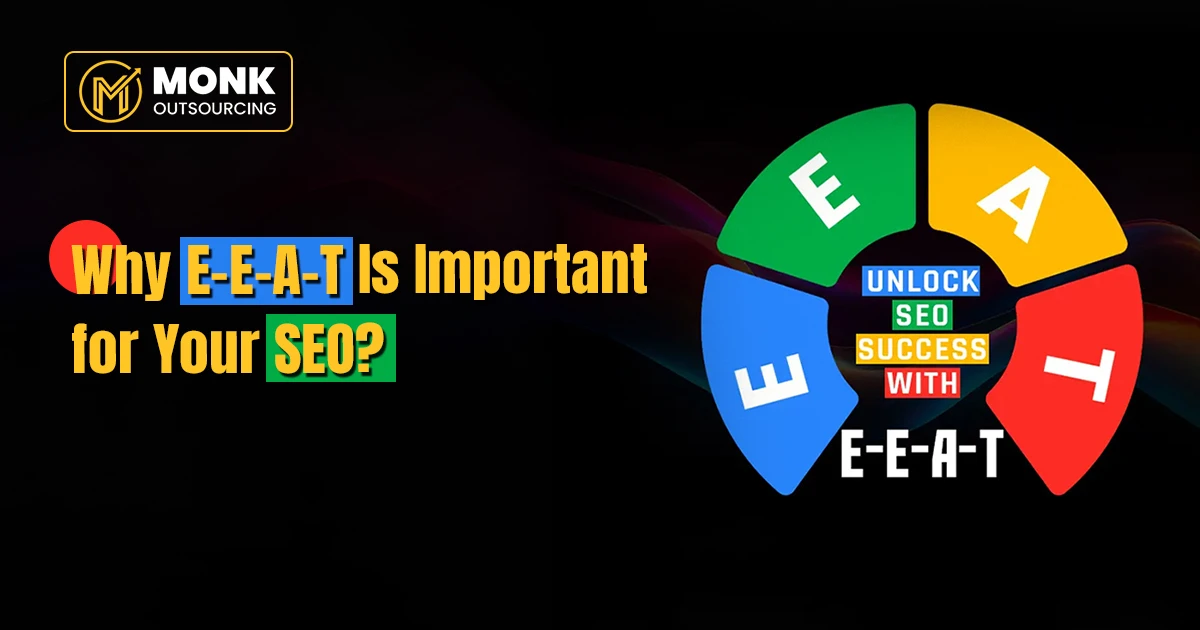
The search ranking impact of Google E-A-T is very real. It’s not a standalone “ranking factor” that you optimize a certain way, but a core principle that underlies every aspect of Google’s assessment of content quality. Websites with strong E-E-A-T signals are more likely to:
- Rank Better: As Google ranks content from trusted, well-established, specialized, and credible sources higher, better search results become visible.
- Build Trust and Engagement: If users trust your content, they will stay on your site, consume content, and come back again. These are positive signals from the user to Google.
- Create Strong Brand Reputation: Creating high-quality E-E-A-T-focused content continuously allows you to firmly establish your brand as an industry leader and will keep users wanting more of what you have to offer.
- Prevent EEAT Algorithm Penalties: In recent Google updates, sites that lack in E-E-A-T (especially with/for providing disinformation or low-quality content) have been hit hard (in the form of rankings downgrades) during EEAT update cycles. Conversely, with a focus on E-A-T, that can be a shield to avoid such penalties.
Disregard Google E-E-A-T guidelines, and you might as well be building a house on a rotten foundation. In the short term, you may get some unsustainable gains, but your base will disintegrate. To ensure sustainable SEO success, you simply must embrace E-E-A-T in SEO.
Some Practical Tips to Enhance Your E-E-A-T
Now that you know the “why,” let’s move on to the “how.” Here’s what you can do to improve your website’s Google E-A-T:
- Promote Quality Content Creators: If you have the budget, hire or teach the users who have real experience and expertise in their niche. Make their credentials evident in author bios.
- Concentrate on “People-First” Content: Make what you create so helpful and satisfying that users get what they need and even some stuff they didn’t know they needed added into it over and above what a search engine is looking for. Answer the most frequent questions in an exhaustive way and add practical value. This is exactly in the interest of the EEAT guidelines.
- Develop a Strong Backlink Profile: Focus on getting quality backlinks from popular and relevant sites within your niche.
- Feature and Highlight Reviews and Testimonials: Good reviews can be earned without spending money, and your current customers likely want to share their positive experiences.
- Continuously Audit and Update Your Content: Ensure your content is always up-to-date and relevant. Delete or update all outdated, low-quality content on your website. This ongoing work is crucial to coping with each update from Google’s EEAT.
- Transparency and Availability: Users should easily be able to locate information about your company and how to contact you.
Conclusion: The Future of SEO and Google E-E-A-T
The world of search engine optimization is a dynamic one, but the fundamentals of Google E-E-A-T (Experience, Expertise, Authoritativeness and Trustworthiness) are here to stay. Google promised that this are the most helpful and trustworthy information that it can provide. If you make those things a focus of your content strategy, you aren’t just “optimizing” for an EEAT algorithm; you are establishing a valuable, credible online presence for the long haul.
Google E-E-A-T is basically a map for your website’s future success in search. It requires a move away from purely technical optimization towards a more holistic process that respects real quality and user acceptance. Adopt these principles, work hard every day to improve your content’s E-E-A-T, and see your site not only rank but also be a trusted resource for your visitors.